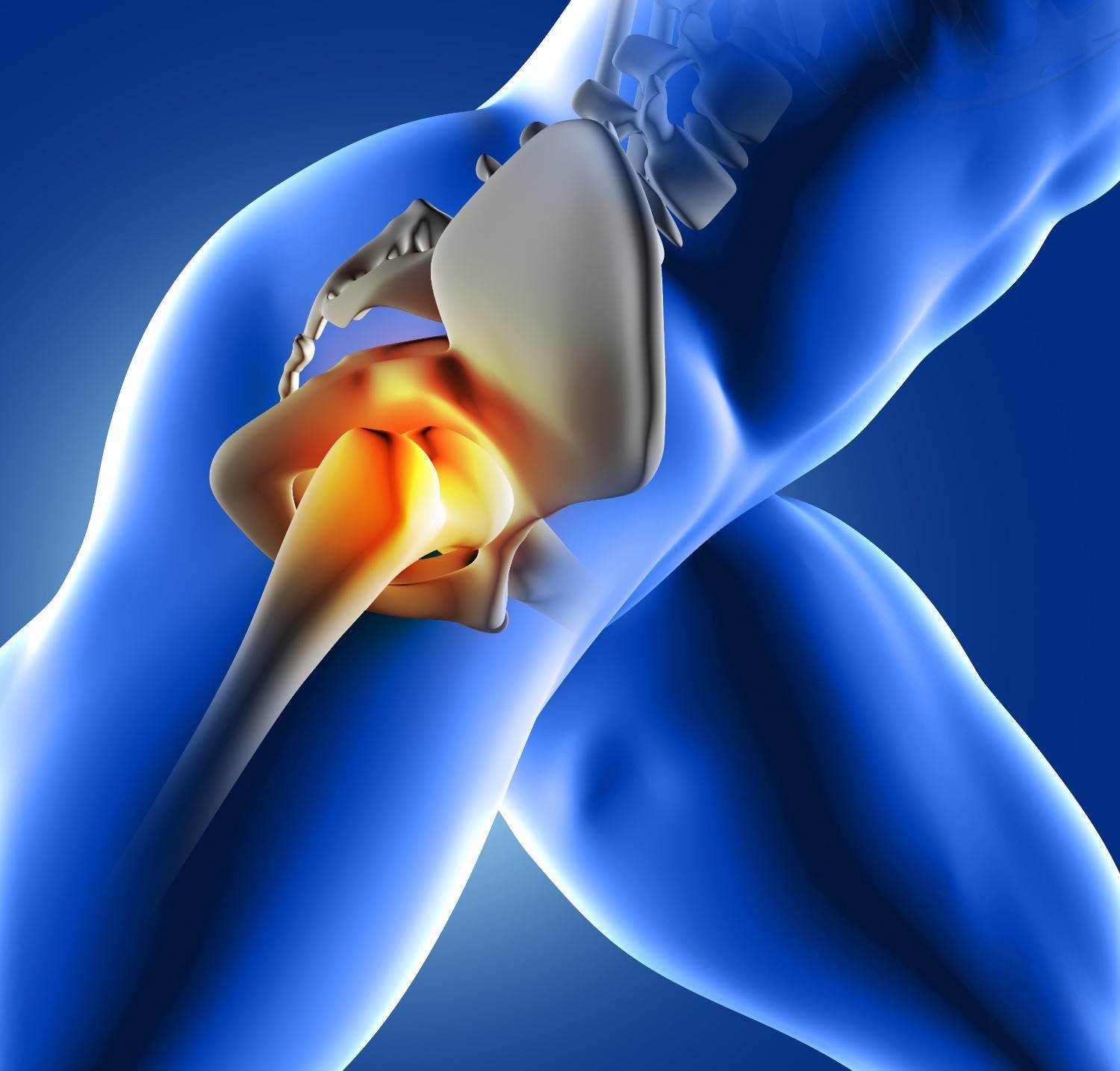
Hip pain can gradually become a part of everyday life. At first, you may notice discomfort while walking, climbing stairs, or getting up from a chair. Over time, the pain may become more frequent and start affecting your sleep, mobility, and independence. When medications, physiotherapy, lifestyle changes, and other treatments no longer provide enough relief, hip replacement may be considered.
If you are experiencing persistent hip problems, consulting an experienced orthopaedic specialist can help determine the underlying cause and appropriate treatment. Hip Replacement Surgery in South Delhi may be an option for people whose hip joint has become severely damaged and continues to interfere with daily activities.
Want a direct connection with us on WhatsApp? Click now.
What Is Hip Replacement Surgery?
Hip replacement surgery is a procedure in which damaged parts of the hip joint are replaced with artificial components. The goal is to reduce pain, improve joint function, and help the patient move more comfortably.
Hip replacement is generally considered after a detailed evaluation of symptoms, physical condition, medical history, and imaging results. Not everyone with hip pain needs surgery, so a proper diagnosis is important before making a decision.
Common Signs You May Need Hip Replacement
1. Persistent Hip Pain
One of the most noticeable signs is ongoing pain in or around the hip. The discomfort may initially appear during physical activity but can eventually occur even while resting.
Pain that continues despite appropriate non-surgical treatment should be evaluated by an orthopaedic specialist. Dr. Guruditta Khurana can assess the severity of your symptoms and help determine whether further treatment is required.
2. Difficulty Walking or Moving
A damaged hip joint can make ordinary movements increasingly difficult. You may find it uncomfortable to walk for longer distances, climb stairs, stand for extended periods, or get in and out of a chair.
When hip stiffness and pain begin limiting your normal mobility, it is worth discussing your symptoms with a specialist.
3. Stiffness in the Hip Joint
Hip stiffness can make simple activities surprisingly challenging. Some people have difficulty bending down, putting on shoes, getting into a car, or moving the leg through its normal range.
Severe or persistent stiffness may indicate significant joint damage, particularly when it occurs alongside pain and reduced mobility.
4. Pain That Affects Sleep
Hip pain does not always remain limited to daytime activities. As joint problems progress, discomfort may occur while lying down or may wake you during the night.
Regularly disturbed sleep because of hip pain can affect your energy and overall quality of life. This is another reason to seek a professional assessment.
5. Reduced Ability to Perform Daily Activities
When hip problems prevent you from doing things you previously managed comfortably, the condition deserves attention. You may struggle with household activities, shopping, exercising, travelling, or participating in hobbies.
The decision about hip replacement is not based on pain alone. The effect of the hip condition on your daily life is also an important consideration.
When Should You Consider Hip Replacement?
Hip replacement may be considered when significant hip damage causes persistent symptoms and non-surgical treatments have not provided sufficient improvement.
Conditions such as advanced osteoarthritis and other forms of severe joint damage can affect hip function. However, surgery should never be considered solely because of a particular symptom. A specialist needs to examine the joint and understand the cause of your pain.
Dr. Guruditta Khurana can evaluate your symptoms and discuss suitable treatment options based on your individual condition.
What Happens Before Hip Replacement Surgery?
Before recommending surgery, your orthopaedic specialist will typically review your symptoms and medical history and perform a physical examination. Imaging may also be used to understand the condition of the hip joint.
Depending on your diagnosis, your doctor may first recommend non-surgical approaches such as medication, physiotherapy, activity modification, or other appropriate treatments.
If these options are no longer providing adequate relief and the joint damage is significant, hip replacement surgery may be discussed.
Benefits of Timely Evaluation
Ignoring persistent hip pain can gradually affect your mobility and quality of life. Getting an assessment early can help identify the underlying problem and provide an opportunity to explore suitable treatment options.
For patients who eventually require surgery, proper pre-operative evaluation and planning are important parts of the treatment process. If you are searching for Hip Replacement Surgery in South Delhi, discussing your symptoms with a qualified orthopaedic specialist can help you understand whether replacement is appropriate for you.
Frequently Asked Questions
1. How do I know if my hip pain is serious?
Persistent pain, increasing stiffness, difficulty walking, disturbed sleep, or trouble performing everyday activities should be evaluated by an orthopaedic specialist.
2. Does every person with hip arthritis need hip replacement?
No. Many people with hip arthritis can be managed with non-surgical treatments. Hip replacement is generally considered when symptoms are severe, joint damage is significant, and other treatments are no longer providing sufficient relief.
3. Can hip replacement improve mobility?
Hip replacement is intended to reduce pain and improve the function of a severely damaged hip joint. The expected outcome depends on several individual factors, so your specialist can explain what may be appropriate in your situation.
4. What are the alternatives to hip replacement surgery?
Depending on the cause and severity of the condition, treatment may include medication, physiotherapy, lifestyle or activity modifications, and other non-surgical approaches. Your doctor can recommend options after evaluating your hip.
5. When should I consult an orthopaedic specialist for hip pain?
You should consider an evaluation if hip pain persists, becomes more frequent, limits your movement, interferes with sleep, or starts affecting your normal activities.
Conclusion
Hip pain that persists or progressively affects your mobility should not simply be accepted as a normal part of ageing. Symptoms such as ongoing pain, stiffness, difficulty walking, sleep disturbance, and reduced ability to perform everyday activities may indicate that the hip joint needs closer evaluation.
Hip replacement is not necessary for everyone with hip pain, but it can be an important treatment option when severe joint damage significantly affects quality of life and conservative treatments are no longer enough. If you are considering Hip Replacement Surgery in South Delhi, speak with Dr. Guruditta Khurana for an appropriate evaluation and personalised treatment discussion.