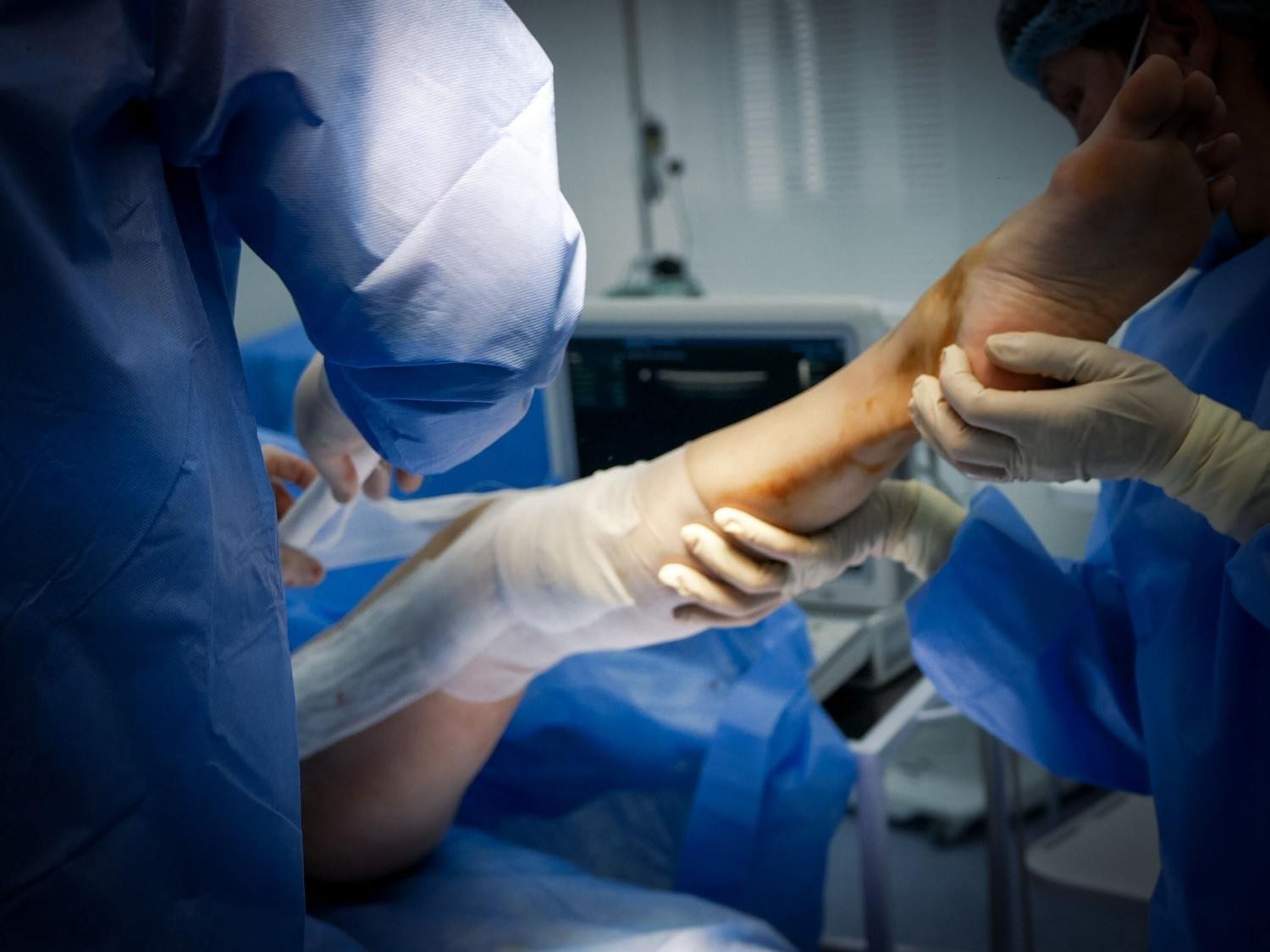
Joint replacement surgery can help relieve pain and improve movement when a damaged joint no longer functions properly. However, an artificial joint may sometimes develop problems years after the original replacement. In such situations, a second operation called Revision Joint Replacement Surgery in Delhi may be considered.
Revision surgery is different from the first joint replacement. It may involve removing some or all of the existing artificial joint components and replacing them with new ones. The exact approach depends on the condition of the implant, the surrounding bone and tissues, and the patient's overall joint function.
Dr. Guruditta Khurana focuses on helping patients understand their treatment options so they can discuss the next steps clearly with their orthopaedic specialist.
Want a direct connection with us on WhatsApp? Click now.
What Is Revision Joint Replacement Surgery?
Revision joint replacement surgery is a procedure performed when a previous joint replacement has developed a problem that requires surgical treatment.
During the procedure, the surgeon evaluates the existing implant and the surrounding joint. Depending on the situation, one component, several components, or the complete artificial joint may need to be replaced.
Revision surgery can be more complex than primary joint replacement because the surgeon may need to work around existing implants, scar tissue, changes in bone structure, or reduced bone quality.
The need for revision does not necessarily mean that the original joint replacement was unsuccessful. Artificial joints can develop problems over time for several different reasons.
When Is Revision Joint Replacement Surgery Needed?
A revision procedure may be recommended when an artificial joint is no longer providing satisfactory function or has developed a specific complication.
Implant Loosening
An artificial joint component can become loose from the surrounding bone. This may cause pain, instability or difficulty using the joint normally.
If an implant becomes loose, the surgeon may assess whether revision surgery is required based on symptoms, examination findings and imaging.
Wear of the Artificial Joint
Joint replacement components are designed to function together during movement. Over time, certain components can experience wear.
Significant wear may affect joint stability or the surrounding tissues. If the problem becomes clinically significant, revision joint replacement may be considered.
Infection Around the Implant
An infection involving an artificial joint requires careful medical evaluation. Treatment depends on factors such as the timing and nature of the infection and the condition of the implant.
In some cases, surgery may be necessary as part of infection management. The treatment plan should be individualized for each patient.
Joint Instability or Repeated Dislocation
Some patients may experience instability after joint replacement. Repeated dislocation or a feeling that the joint is not secure may require further assessment.
If conservative measures do not address the underlying problem, revision surgery may be discussed.
Fracture Around the Implant
A fracture can occasionally occur in the bone surrounding an artificial joint. The treatment depends on the location and severity of the fracture, bone quality and the stability of the implant.
In selected cases, revision joint replacement may form part of the surgical treatment.
How Is Revision Joint Replacement Different From Primary Replacement?
Primary joint replacement involves replacing a damaged natural joint with an artificial joint. Revision surgery, on the other hand, involves dealing with an existing artificial joint.
The surgeon may need to remove old components, manage damaged or weakened bone, address scar tissue and place new components that provide appropriate stability.
Because every revision case is different, the surgical plan is usually based on the patient's symptoms, medical history, physical examination and imaging.
Dr. Guruditta Khurana recommends that patients with persistent pain or reduced function after joint replacement seek an appropriate orthopaedic evaluation rather than assuming that revision surgery is automatically required.
What Happens Before Revision Surgery?
Before recommending revision joint replacement, the surgeon may review the patient's previous operation and current symptoms. Imaging studies can help assess the implant and surrounding bone.
Additional investigations may be considered when infection or another specific complication is suspected.
The purpose of this evaluation is to identify the underlying reason for the problem and determine whether revision surgery is appropriate.
Patients should also discuss their medications, existing medical conditions and previous surgical history with their treating team before undergoing another joint procedure.
Recovery After Revision Joint Replacement
Recovery following revision surgery varies from patient to patient. It can depend on the type of revision, the joint involved, the condition of the surrounding bone and tissues, and the individual's overall health.
Rehabilitation and physiotherapy may be recommended to help restore movement, strength and function. The pace of recovery should be guided by the treating surgical and rehabilitation team.
Following postoperative instructions carefully can help patients understand when and how to gradually return to everyday activities.
Dr. Guruditta Khurana can help patients understand the factors that may influence their treatment and recovery plan based on their individual condition.
When Should You Consult an Orthopaedic Specialist?
Patients who have undergone joint replacement should not ignore persistent or new symptoms such as increasing pain, swelling, instability, difficulty walking or a noticeable change in joint function.
These symptoms do not automatically mean that revision surgery is necessary. However, they deserve proper evaluation so that the underlying cause can be identified.
An orthopaedic consultation can help determine whether the issue can be managed without surgery or whether a revision procedure should be considered.
Frequently Asked Questions
1. What is revision joint replacement surgery?
Revision joint replacement surgery is an operation performed to treat a problem with a previous artificial joint. It may involve replacing one or more components of the existing joint replacement.
2. Does every painful joint replacement require revision surgery?
No. Pain after joint replacement can have different causes, and revision surgery is not automatically required. A specialist evaluation is needed to determine the cause and appropriate treatment.
3. Why can a joint replacement need revision surgery?
Possible reasons include implant loosening, wear, infection, instability, repeated dislocation or a fracture around the artificial joint. The specific cause needs to be established through clinical assessment and appropriate investigations.
4. Is revision joint replacement more complex than the first replacement?
Revision surgery can be more complex because the surgeon is working with an existing artificial joint and may need to address scar tissue, changes in bone or other issues surrounding the previous implant.
5. How long does recovery take after revision joint replacement?
Recovery varies depending on the joint involved, the type of revision and the patient's individual condition. The treating surgeon and rehabilitation team can provide guidance based on the specific procedure.
Conclusion
Revision joint replacement surgery may become necessary when an existing artificial joint develops a significant problem affecting comfort, stability or function. Understanding the reason for the problem is an important part of deciding whether another operation is appropriate.
Revision Joint Replacement Surgery in Delhi should always be considered after an individual assessment rather than based on symptoms alone. Proper evaluation can help identify the underlying issue and guide the treatment plan.
If you are experiencing new or persistent problems after joint replacement, discuss your symptoms with an orthopaedic specialist. Dr. Guruditta Khurana can help patients understand the available treatment options based on their individual joint condition and medical evaluation.