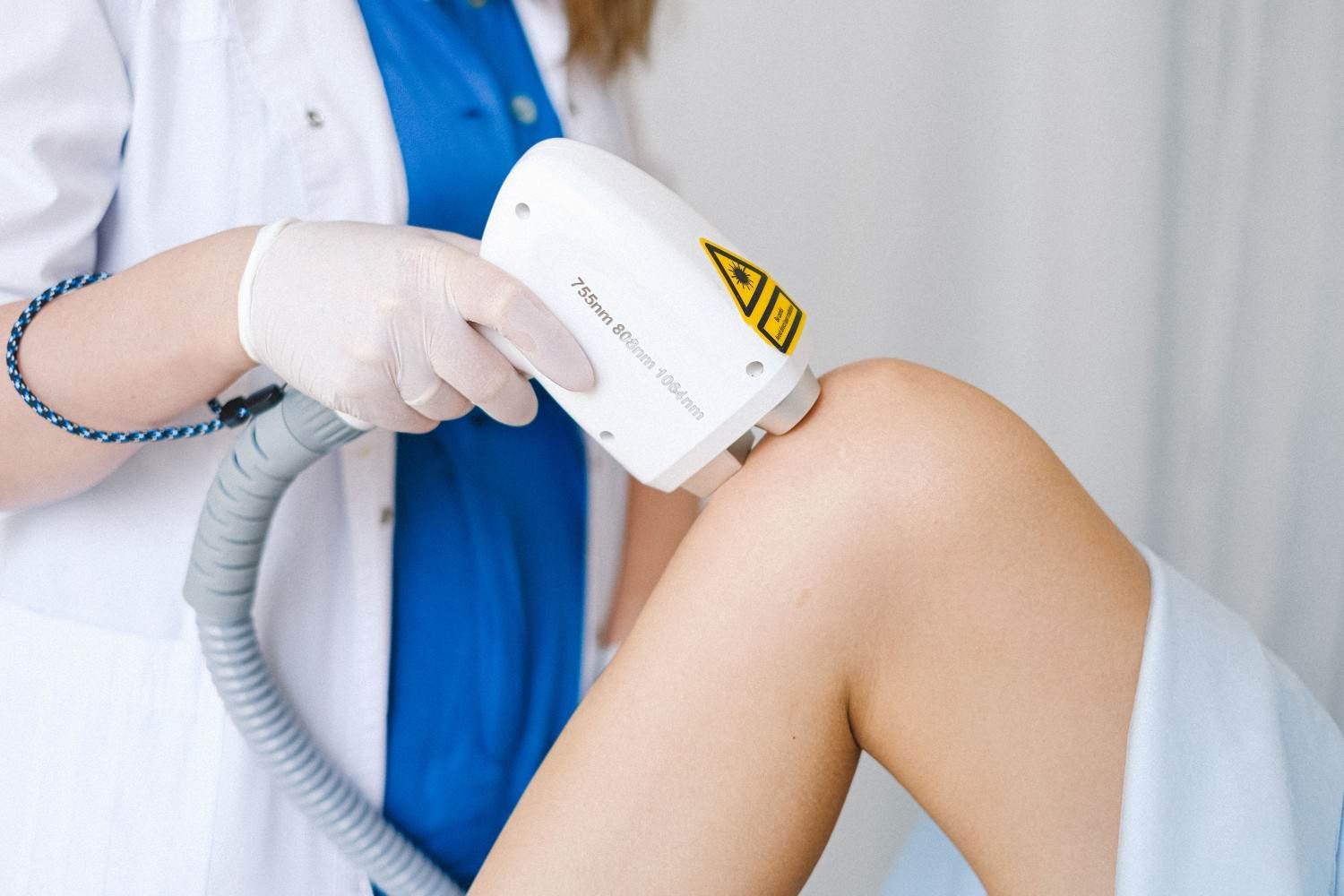
Knee pain can affect simple activities such as walking, climbing stairs, sitting, or exercising. When symptoms continue despite conservative treatment, a doctor may recommend further evaluation to identify the underlying problem. In some cases, Arthroscopy Knee Surgery in Ghaziabad may be considered to diagnose or treat certain conditions affecting the knee joint.
Knee arthroscopy is a minimally invasive procedure in which a surgeon uses a small camera, called an arthroscope, to look inside the knee joint. Depending on the condition, surgical instruments can also be used through small incisions to address the problem.
Dr. Guruditta Khurana can assess knee symptoms, imaging reports, and overall joint condition to determine whether arthroscopy is an appropriate treatment option.
Want a direct connection with us on WhatsApp? Click now.
What Is Knee Arthroscopy?
Knee arthroscopy is a surgical procedure used to examine the structures inside the knee joint. The arthroscope contains a camera that allows the surgeon to view the joint on a monitor.
Instead of making a large incision, the procedure generally involves small openings around the knee. Through these openings, the surgeon can examine structures such as the meniscus, cartilage, and ligaments and perform specific treatments when required.
The exact procedure depends on the problem identified during the clinical assessment and arthroscopic examination.
When Is Arthroscopy Knee Surgery Recommended?
Not every person with knee pain needs surgery. A doctor usually considers several factors, including the cause of pain, physical examination findings, imaging results, symptoms, and response to non-surgical treatment.
1. Meniscus Problems
The meniscus is a piece of cartilage that helps cushion and stabilize the knee. A meniscus tear can occur because of a sudden twisting movement or age-related changes.
Some tears can be managed without surgery, while others may require arthroscopic treatment, particularly when symptoms such as persistent pain, catching, or restricted movement continue.
2. Certain Ligament Injuries
Knee ligament injuries can affect stability and movement. Some injuries may improve with rehabilitation and activity modification, while particular injuries may require surgical treatment.
Arthroscopy can be used as part of certain ligament procedures, depending on the specific injury and treatment plan.
3. Damaged or Loose Cartilage
Cartilage damage may cause pain, swelling, stiffness, or difficulty moving the knee. In selected cases, arthroscopic treatment may be used to examine or address certain cartilage problems.
The appropriate approach depends on the location, extent, and type of cartilage damage.
4. Loose Bodies in the Knee
Small fragments of cartilage or bone can sometimes become loose inside the knee joint. These fragments may interfere with normal movement and can cause catching or locking sensations.
When appropriate, arthroscopy may allow the surgeon to locate and remove loose bodies through small incisions.
5. Persistent Knee Symptoms Requiring Joint Evaluation
Sometimes, symptoms continue despite appropriate conservative care, and the underlying cause may need closer evaluation. Knee arthroscopy can provide a direct view of the joint and may help diagnose certain internal problems.
Dr. Guruditta Khurana can determine whether arthroscopy is appropriate after considering the patient's symptoms and diagnostic findings.
What Happens During Arthroscopic Knee Surgery?
Before surgery, the doctor evaluates the knee and discusses the planned procedure. Anaesthesia is used according to the surgical requirements and the patient's circumstances.
During the procedure, the arthroscope is inserted through a small incision. The camera provides a magnified view of the inside of the knee. Additional small instruments may be introduced through other openings when treatment is required.
After the procedure, the instruments are removed and the small incisions are closed and dressed.
The duration and specific steps of Arthroscopy Knee Surgery in Ghaziabad can vary depending on the condition being treated and the type of procedure performed.
What Can You Expect After Knee Arthroscopy?
Recovery depends on the underlying knee problem and the procedure performed. Some patients may be able to begin moving the knee relatively soon, while others may require a longer rehabilitation period.
Your doctor may recommend:
- Prescribed exercises or physiotherapy
- Gradual return to normal activities
- Appropriate pain management
- Follow-up appointments
- Temporary restrictions on certain movements or activities
Following post-operative instructions carefully can support recovery and help protect the knee while it heals.
Dr. Guruditta Khurana can provide recovery guidance based on the specific procedure and individual circumstances.
Is Arthroscopy Suitable for Every Knee Problem?
No. Knee arthroscopy is not automatically recommended for every type of knee pain. Some conditions respond better to medication, physiotherapy, exercise-based rehabilitation, lifestyle changes, injections, or other treatments.
The decision should be based on an appropriate diagnosis rather than knee pain alone. A consultation with an orthopaedic specialist can help determine the most suitable treatment approach.
Conclusion
Knee arthroscopy is a minimally invasive procedure that can be used to examine and treat selected problems inside the knee joint. It may be considered for certain meniscus injuries, ligament-related conditions, cartilage problems, loose bodies, and persistent symptoms requiring further joint evaluation.
If you are considering Arthroscopy Knee Surgery in Ghaziabad, getting a proper diagnosis is an important first step. Dr. Guruditta Khurana can evaluate your knee condition and discuss whether arthroscopic treatment or another approach may be appropriate for your individual situation.
Frequently Asked Questions
1. What is arthroscopy knee surgery?
Knee arthroscopy is a minimally invasive surgical procedure that uses a small camera to examine the inside of the knee joint. Special instruments may also be used to treat certain conditions during the procedure.
2. When is knee arthroscopy recommended?
It may be recommended for selected knee problems such as certain meniscus tears, ligament injuries, cartilage problems, or loose bodies, particularly when symptoms require surgical treatment.
3. Is knee arthroscopy a major surgery?
Knee arthroscopy uses small incisions and is generally considered minimally invasive. However, the extent of surgery and recovery can vary depending on the specific condition and procedure performed.
4. How long does recovery after knee arthroscopy take?
Recovery time varies according to the condition treated and the type of procedure performed. Your doctor may recommend physiotherapy, activity modification, and a gradual return to normal activities.
5. Who should I consult for arthroscopy knee surgery in Ghaziabad?
An orthopaedic specialist can evaluate your symptoms, examination findings, and diagnostic reports to determine whether arthroscopy is appropriate. Dr. Guruditta Khurana can discuss suitable treatment options based on your individual knee condition.