When joint pain or an injury affects movement, surgery may sometimes become part of the treatment plan. Two commonly discussed approaches are arthroscopic surgery and traditional open surgery. While both aim to treat problems inside or around a joint, they differ in how the surgeon reaches the affected area. An Arthroscopic Surgeon in Delhi can help patients understand which approach may be suitable based on the joint condition, symptoms, and treatment needs.
Want a direct connection with us on WhatsApp? Click now.
What Is Arthroscopic Surgery?
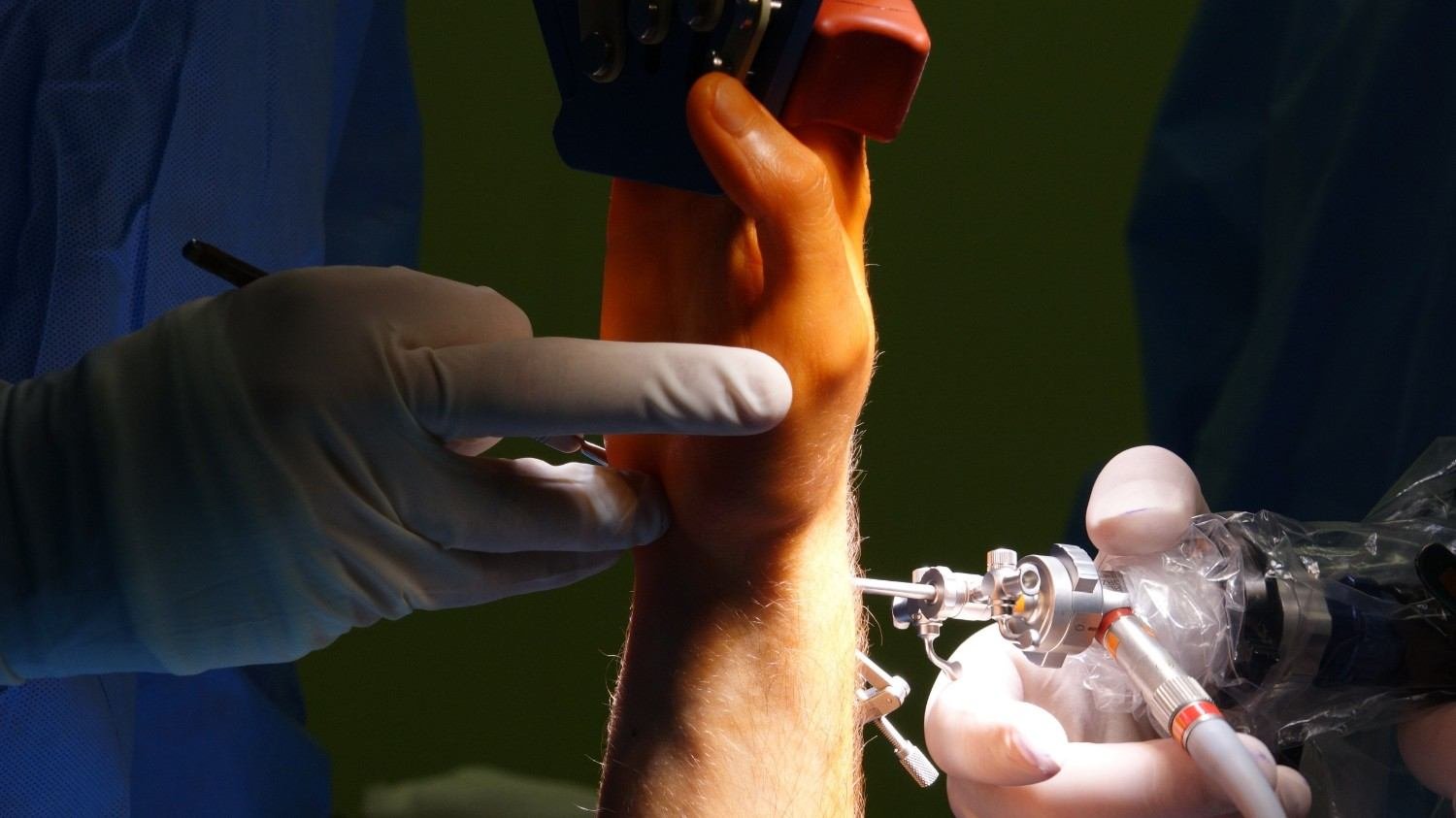
Arthroscopic surgery is a minimally invasive procedure performed using an arthroscope, a small camera attached to a thin instrument. The surgeon makes small incisions around the joint and inserts the camera to view the internal structures on a screen.
Specialised surgical instruments can then be introduced through additional small openings to address the problem. Arthroscopy is commonly used for certain conditions involving the knee, shoulder, ankle, elbow, and other joints.
Because the procedure uses small incisions, it may offer a different recovery experience compared with traditional open surgery. However, whether arthroscopy is appropriate depends entirely on the condition being treated.
What Is Traditional Open Surgery?
Traditional open surgery involves making a larger incision to provide direct access to the affected joint or surrounding tissues. This approach may be recommended when the surgeon needs wider exposure to treat a complex or extensive problem.
Open procedures remain an important part of orthopaedic treatment. Some joint conditions cannot be effectively managed through arthroscopy, while others may require an open approach because of the nature or severity of the injury.
An Arthroscopic Surgeon in Delhi, such as Dr. Guruditta Khurana, can assess the condition and explain whether a minimally invasive or open procedure is more appropriate.
Key Differences Between Arthroscopic and Open Surgery
1. Size of the Incision
One of the most noticeable differences is the size of the surgical incision. Arthroscopy generally uses small incisions to allow the camera and instruments to enter the joint.
Open surgery requires a larger incision to provide direct access to the treatment area. The incision size, however, is only one factor when comparing the two procedures.
2. How the Joint Is Viewed
During arthroscopy, the surgeon views the joint through a camera connected to a monitor. This can provide a magnified view of structures inside the joint.
In open surgery, the surgeon directly accesses the treatment area through the surgical opening. The appropriate method depends on the procedure and the condition being addressed.
3. Recovery After Surgery
Recovery can vary considerably between patients. Arthroscopic procedures may involve smaller incisions and, in suitable cases, can allow a relatively quicker return to normal activities.
Open surgery may involve a longer recovery depending on the extent of the procedure and tissues involved. Patients should follow their surgeon's instructions regarding wound care, movement, physiotherapy, and activity restrictions.
4. Type of Conditions Treated
Arthroscopy can be useful for selected joint problems, including certain cartilage injuries, ligament-related problems, meniscus injuries, and other conditions that can be treated through a minimally invasive approach.
Open surgery may be necessary for more complex conditions or procedures that require broader surgical access. Dr. Guruditta Khurana can evaluate the specific problem before recommending an appropriate surgical technique.
Is Arthroscopic Surgery Always Better?
Not necessarily. The goal of surgery is to treat the underlying condition safely and effectively, rather than simply choosing the procedure with smaller incisions.
An Arthroscopic Surgeon in Delhi may recommend arthroscopy when the condition can be appropriately treated through a minimally invasive approach. In other situations, traditional open surgery may provide better access and be the more suitable option.
The decision can depend on factors such as the type of injury, location of the problem, severity of joint damage, previous treatment, overall health, and the specific procedure required.
What Can Patients Expect Before Surgery?
Before recommending surgery, the doctor generally reviews the patient's symptoms, medical history, physical examination findings, and relevant imaging reports. This assessment helps determine the cause of the problem and the most appropriate treatment approach.
Dr. Guruditta Khurana can discuss the expected benefits, limitations, recovery process, and possible risks associated with the recommended procedure. Patients should also ask questions about rehabilitation and how soon they may be able to resume daily activities.
Choosing the Right Surgical Approach
There is no single surgical technique that is suitable for every joint condition. Arthroscopy can be valuable when a problem can be treated through small incisions, while open surgery continues to have an important role in complex orthopaedic procedures.
Consulting an experienced Arthroscopic Surgeon in Delhi can help patients understand their diagnosis and available treatment options instead of making a decision based only on incision size or recovery time.
Frequently Asked Questions
1. Is arthroscopic surgery less invasive than open surgery?
Yes. Arthroscopic surgery generally uses smaller incisions and a camera to access and view the joint. However, the level of invasiveness and recovery varies according to the procedure being performed.
2. Does arthroscopic surgery always have a shorter recovery?
Not always. Recovery depends on the type of procedure, the joint involved, the extent of the injury, and individual healing. Your surgeon can provide more specific guidance after evaluating your condition.
3. Can all joint problems be treated with arthroscopy?
No. Some conditions require traditional open surgery because they need wider surgical access or involve problems that cannot be adequately treated through arthroscopic techniques.
4. Which joints can be treated using arthroscopy?
Arthroscopy is used for selected conditions affecting joints such as the knee, shoulder, ankle, and elbow. The suitability of the procedure depends on the specific diagnosis.
5. How do I know whether I need arthroscopic or open surgery?
The choice should be based on a clinical evaluation and the nature of the condition. An Arthroscopic Surgeon in Delhi can review your symptoms and investigations and explain which surgical approach may be appropriate.
Conclusion
Arthroscopic and traditional open surgery both have an important role in orthopaedic care. Arthroscopy uses small incisions and a camera to access the joint, while open surgery provides direct access through a larger incision. The right choice depends on the condition being treated rather than the procedure's appearance alone.
If surgery has been recommended, discussing the available options with Dr. Guruditta Khurana can help you understand the procedure, expected recovery, and rehabilitation requirements. A personalised evaluation is the best way to determine the most suitable approach for your joint problem.