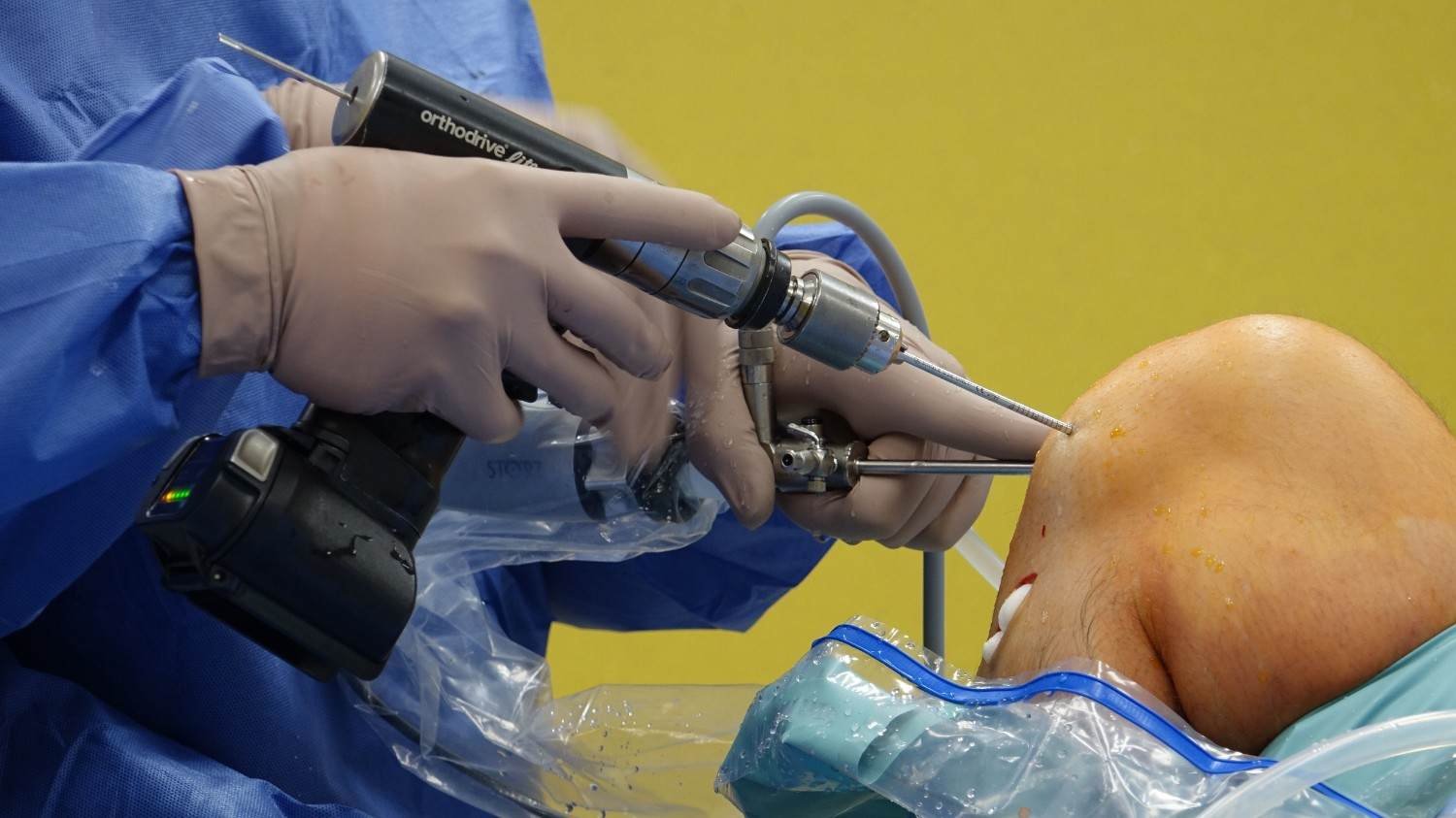
Knee pain can begin as a minor inconvenience, but when it starts affecting your walking, sleep, work, or everyday activities, it may indicate a more serious joint problem. Conditions such as advanced osteoarthritis can gradually damage the knee joint and make routine movements increasingly difficult. In some cases, Total Knee Replacement Surgery in Gurugram may be considered when other treatments no longer provide adequate relief.
Not everyone with knee pain needs surgery. The decision depends on the severity of joint damage, symptoms, medical history, and how much the condition affects daily life. Dr. Guruditta Khurana recommends a thorough orthopedic evaluation before deciding whether knee replacement is appropriate.
Want a direct connection with us on WhatsApp? Click now.
When Should You Consider Knee Replacement?
Knee replacement is generally considered when significant knee damage causes persistent symptoms and conservative treatments are no longer providing sufficient improvement.
Several warning signs may suggest that it is time to discuss your options with an orthopedic specialist.
1. Persistent Knee Pain
Pain that continues for months despite medication, physiotherapy, activity modification, or other non-surgical treatments should not be ignored. You may experience pain while walking, standing, climbing stairs, or even while resting.
Persistent pain is one of the most common reasons patients seek an evaluation for Total Knee Replacement Surgery in Gurugram.
2. Difficulty Walking or Standing
A damaged knee can make ordinary activities increasingly challenging. You may find yourself walking more slowly, avoiding stairs, taking frequent breaks, or relying on support while moving around.
If knee pain consistently limits your mobility, an orthopedic assessment can help determine the underlying cause.
3. Pain That Disturbs Your Sleep
Severe knee arthritis can cause discomfort even when you are resting. If knee pain regularly wakes you at night or makes it difficult to find a comfortable sleeping position, it may indicate that the condition has progressed.
Night-time pain should be discussed with a specialist rather than managed indefinitely with painkillers.
4. Reduced Knee Movement
A healthy knee should allow you to bend and straighten your leg comfortably. Advanced arthritis may cause stiffness and restrict this movement.
You might have difficulty sitting on the floor, getting up from a chair, getting into a car, or performing other movements that were previously easy.
5. Swelling and Stiffness
Recurring swelling, stiffness, and tenderness can accompany degenerative knee conditions. Some people notice that their symptoms become particularly troublesome after periods of activity or following prolonged sitting.
When these symptoms become persistent and interfere with everyday life, further evaluation may be necessary.
What If Medicines and Physiotherapy Are No Longer Helping?
Doctors usually consider non-surgical approaches before recommending knee replacement. Depending on the condition, these may include physiotherapy, weight management where appropriate, medications, activity modification, walking aids, or other treatments.
However, these measures may not provide lasting relief when the knee joint has undergone advanced structural damage.
Dr. Guruditta Khurana evaluates the patient's symptoms, physical examination findings, and relevant imaging before discussing Total Knee Replacement Surgery in Gurugram. Surgery should be considered based on individual circumstances rather than pain alone.
How Is the Need for Knee Replacement Evaluated?
An orthopedic consultation generally involves understanding your symptoms and how they affect your quality of life. Your doctor may assess:
- The location and severity of your knee pain
- Your walking ability and mobility
- Knee alignment and stability
- Range of motion
- Previous treatments and their effectiveness
- Relevant medical history
- Imaging findings, such as X-rays when appropriate
The goal is to determine whether your symptoms are caused by advanced knee joint damage and whether replacement surgery could reasonably address the problem.
Why Early Orthopedic Evaluation Matters
You do not necessarily need to wait until knee pain becomes unbearable before consulting an orthopedic specialist. An early evaluation can help identify the cause of your symptoms and provide an opportunity to explore appropriate treatment options.
Dr. Guruditta Khurana focuses on understanding the patient's individual concerns before discussing surgical and non-surgical treatment choices. If Total Knee Replacement Surgery in Gurugram is being considered, a detailed assessment can help you understand what the procedure involves and whether it is suitable for your condition.
Frequently Asked Questions
1. Does everyone with knee arthritis need total knee replacement?
No. Many people with knee arthritis can manage their symptoms through non-surgical treatments. Knee replacement is generally considered when symptoms are significant, joint damage is advanced, and other treatments have not provided adequate relief.
2. How do I know if my knee pain is severe enough for surgery?
Pain severity is only one factor. Difficulty walking, reduced knee movement, persistent swelling, sleep disturbance, and limitations in daily activities may also be important. An orthopedic evaluation is needed to determine whether surgery is appropriate.
3. Can physiotherapy delay knee replacement?
Physiotherapy may help improve strength, mobility, and function in many people with knee problems. Whether it can delay surgery depends on the underlying condition and its severity.
4. What tests are used before knee replacement?
Your orthopedic specialist may recommend a physical examination and imaging, such as an X-ray, depending on your symptoms. Additional tests may be advised when medically necessary.
5. Where can I discuss Total Knee Replacement Surgery in Gurugram?
If persistent knee pain is affecting your mobility or daily life, you can consult Dr. Guruditta Khurana for an orthopedic evaluation. The consultation can help determine the cause of your symptoms and whether Total Knee Replacement Surgery in Gurugram should be considered.
Conclusion
Persistent knee pain does not automatically mean that you need surgery. However, pain that continues despite treatment, difficulty walking, restricted movement, sleep disturbance, and increasing limitations in daily activities can be signs that your knee condition needs further evaluation.
Dr. Guruditta Khurana can assess your symptoms and help you understand the available treatment options. If conservative treatments are no longer providing sufficient relief, Total Knee Replacement Surgery in Gurugram may be discussed as one possible treatment depending on your individual condition.