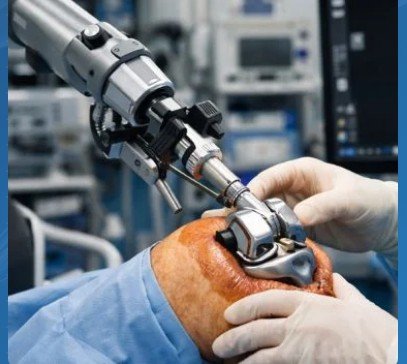
Joint replacement surgery has become more precise with advances in medical technology. One such advancement is robotic-assisted surgery, which helps surgeons plan and perform procedures with greater control. Robotic Joint Replacement in Delhi NCR combines detailed surgical planning with computer-assisted technology to support accurate implant placement and alignment.
For patients with severe knee or joint damage, accuracy matters because the position and alignment of an implant can influence movement, stability, and long-term function. Robotic technology does not replace the surgeon. Instead, it provides additional information and guidance during the procedure.
Want a direct connection with us on WhatsApp? Click now.
What Is Robotic Joint Replacement?
Robotic joint replacement is a technology-assisted approach to joint replacement surgery. It uses advanced imaging, computer planning, and a robotic-assisted system to help the surgeon prepare the damaged joint and position the implant according to the surgical plan.
Before surgery, the surgeon evaluates the patient's joint condition and develops an individualized plan. During the procedure, the technology helps the surgeon follow this plan while allowing adjustments when clinically necessary.
As explained by Dr. Guruditta Khurana, the main purpose of robotic assistance is to support precision while keeping the surgeon in control of important surgical decisions.
How Does Robotic Technology Improve Surgical Accuracy?
1. Detailed Pre-Surgical Planning
Accurate surgery begins with careful planning. Robotic systems can create a detailed digital representation of the patient's joint based on the imaging and information available for the procedure.
This allows the surgeon to assess the damaged areas and plan factors such as bone preparation, implant positioning, and alignment before surgery begins.
An individualized plan can be particularly useful because every patient's joint anatomy is different.
2. Greater Control During Bone Preparation
During conventional joint replacement, surgeons use specialized instruments and their clinical judgment to remove damaged bone and prepare the joint.
Robotic-assisted systems can provide guidance during this stage. The technology helps define the planned surgical boundaries, supporting controlled bone preparation.
This may help the surgeon make more precise adjustments while working around the patient's individual anatomy.
3. More Precise Implant Positioning
Correct implant positioning is an important part of joint replacement surgery. The implant needs to be placed appropriately to support joint movement and stability.
Robotic assistance provides real-time information that can help the surgeon assess the planned position and alignment of the implant during surgery.
For patients considering Robotic Joint Replacement in Delhi NCR, this technology can offer an additional level of planning and surgical guidance.
4. Personalized Surgical Approach
No two joints are exactly alike. Differences in bone structure, alignment, deformity, and joint damage can affect the surgical approach.
Robotic technology allows surgical planning to be tailored to the patient's anatomy rather than relying solely on a standardized approach.
Dr. Guruditta Khurana emphasizes that personalized planning is an important part of using technology effectively in joint replacement surgery.
What Are the Potential Benefits?
The benefits of robotic-assisted joint replacement depend on the patient's condition, the surgical technique, and several other factors. Potential advantages may include:
- Detailed pre-operative planning
- Improved guidance during surgery
- More controlled bone preparation
- Support for accurate implant alignment
- A personalized surgical plan
- Better visualization of the planned surgical outcome
However, robotic assistance does not automatically mean that every patient will have a faster recovery or better outcome. The surgeon's experience, the patient's overall condition, rehabilitation, and adherence to post-operative instructions also play important roles.
Is Robotic Joint Replacement Suitable for Everyone?
Robotic surgery may be considered for patients who require joint replacement because of conditions such as advanced arthritis or significant joint damage. However, suitability depends on several factors.
The surgeon may consider the extent of joint damage, bone condition, alignment, symptoms, mobility, medical history, and previous treatments before recommending surgery.
A consultation with an experienced joint replacement specialist can help determine whether robotic-assisted surgery is an appropriate option.
Why Surgical Expertise Still Matters
Robotic technology is an advanced surgical tool, but it does not independently perform the operation. The surgeon remains responsible for evaluating the patient, creating the treatment plan, making surgical decisions, and responding to findings during the procedure.
Technology can provide valuable guidance, but it works best when combined with sound clinical judgment.
According to Dr. Guruditta Khurana, robotic assistance should be viewed as a tool that supports surgical precision rather than a replacement for the surgeon's expertise.
What Should Patients Consider Before Surgery?
Patients should understand both the benefits and limitations of robotic-assisted joint replacement before making a decision.
During a consultation, ask about:
- The condition affecting your joint
- Whether joint replacement is necessary
- Why robotic assistance may be suitable
- The expected surgical approach
- Implant options
- Recovery and rehabilitation
- Possible risks and complications
Understanding the complete treatment plan can help patients make informed decisions about their joint health.
Frequently Asked Questions
1. Is robotic joint replacement completely performed by a robot?
No. The surgeon performs and controls the procedure. Robotic technology provides planning information and surgical guidance to assist the surgeon.
2. Does robotic surgery guarantee a faster recovery?
No. Recovery varies from person to person. Factors such as overall health, the type of surgery, physical rehabilitation, and adherence to medical advice can influence recovery.
3. Is robotic joint replacement more accurate than conventional surgery?
Robotic assistance can provide detailed planning and real-time guidance that may support accurate bone preparation and implant positioning. However, outcomes depend on the individual patient and surgical circumstances.
4. What joints can be treated using robotic-assisted replacement?
Robotic technology is commonly associated with knee replacement, although applications can vary depending on the technology, surgical system, and clinical indication.
5. How can I know whether robotic joint replacement is right for me?
A joint replacement specialist can assess your symptoms, imaging, joint damage, medical history, and treatment goals to determine whether robotic-assisted surgery is appropriate.
Conclusion
Robotic technology has added a new level of planning and guidance to modern joint replacement surgery. By helping surgeons analyze joint anatomy, plan the procedure, prepare bone, and assess implant positioning, it can support a more personalized and controlled surgical approach.
For patients exploring Robotic Joint Replacement in Delhi NCR, the decision should be based on individual joint condition, treatment needs, and professional medical assessment. Robotic assistance is an important technological advancement, but successful joint replacement still depends on appropriate patient selection, surgical judgment, and proper rehabilitation.
Dr. Guruditta Khurana recommends discussing all available treatment options with a qualified joint replacement specialist before deciding on surgery.