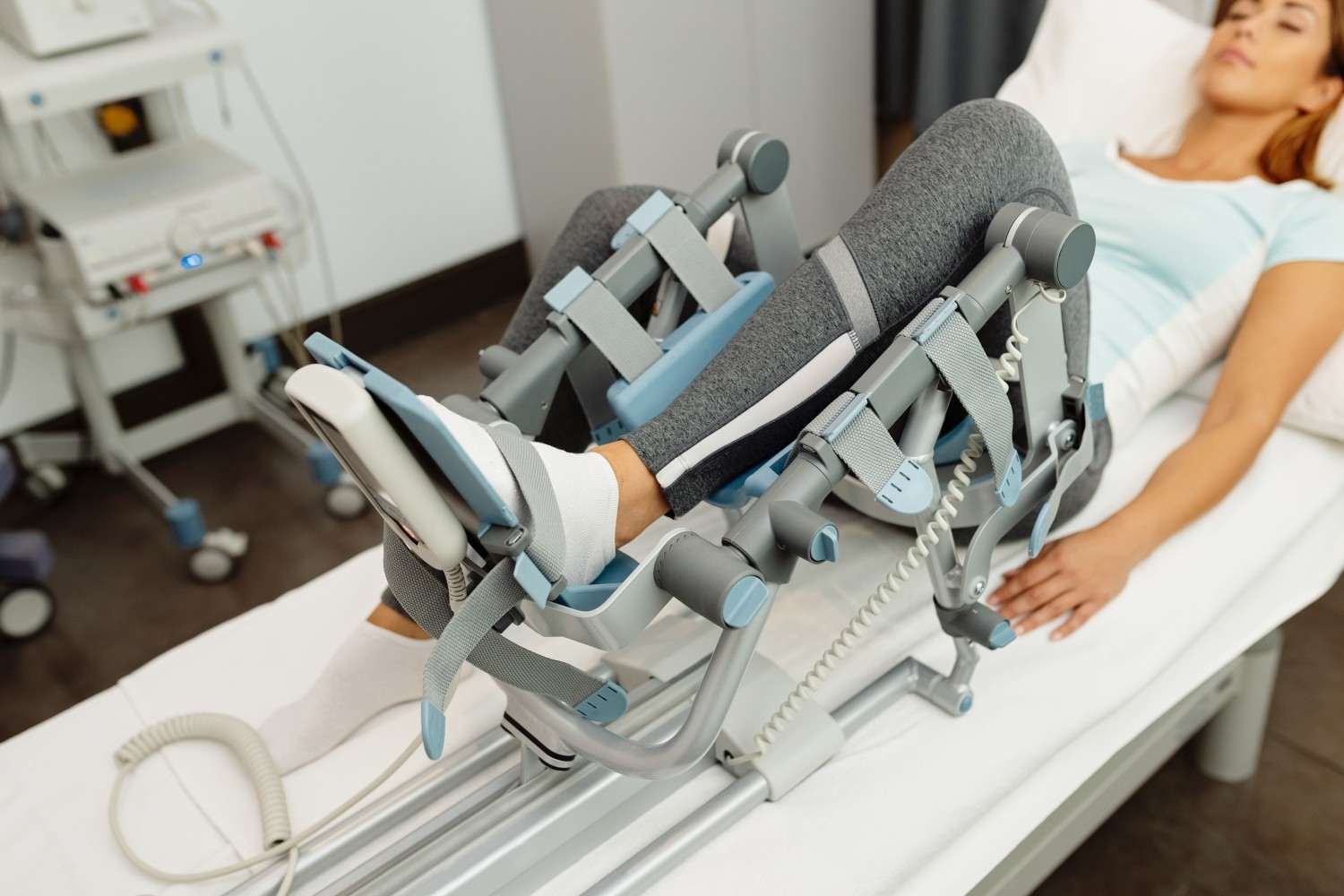
Knee pain can gradually affect simple activities such as walking, climbing stairs, or getting up from a chair. When medicines, physiotherapy, lifestyle changes, and other non-surgical treatments no longer provide enough relief, knee replacement surgery may be considered. Today, patients also have access to advanced techniques such as robotic-assisted knee replacement.
A Robotic Knee Replacement Surgeon in Gurgaon uses computer-assisted technology to help plan and perform knee replacement surgery with greater precision. But what exactly makes robotic knee replacement different from traditional surgery? Dr. Guruditta Khurana explains the key differences and what patients should know before making a decision.
Want a direct connection with us on WhatsApp? Click now.
What Is Robotic Knee Replacement?
Robotic knee replacement is an advanced form of knee replacement surgery that uses robotic-assisted technology during the procedure. The technology does not replace the surgeon. Instead, it provides detailed information and helps the surgeon work according to the planned surgical approach.
Before surgery, the patient's knee anatomy can be assessed using appropriate imaging and computer-based planning. This allows the surgeon to create a more personalized surgical plan.
During the procedure, the surgeon remains in complete control while using the robotic system as an additional tool for accuracy.
Dr. Guruditta Khurana believes that understanding how the technology works can help patients make informed decisions about their treatment.
How Does Traditional Knee Replacement Work?
Traditional knee replacement surgery has been successfully performed for many years. During the procedure, the surgeon removes damaged portions of the knee joint and replaces them with artificial components.
The surgeon uses established surgical techniques and instruments to position the implants based on the patient's anatomy and the surgical plan.
Traditional knee replacement remains an effective treatment for many people with advanced knee joint damage. However, robotic-assisted surgery offers another approach that may provide additional support during surgical planning and implant positioning.
Robotic vs Traditional Knee Replacement: What Is the Difference?
The main difference is the use of computer-assisted robotic technology during surgery.
1. Surgical Planning
In traditional knee replacement, planning is based on clinical assessment, imaging, and the surgeon's experience.
With robotic-assisted knee replacement, computer technology can help create a detailed surgical plan based on the patient's individual knee anatomy.
2. Implant Positioning
Correct implant positioning is an important part of knee replacement surgery. Robotic assistance can help the surgeon assess alignment and positioning during the procedure.
This additional guidance may help the surgeon make more controlled adjustments according to the surgical plan.
3. Personalized Approach
Every patient's knee is different. Factors such as bone structure, joint damage, alignment, and soft-tissue condition can influence the surgical approach.
Robotic technology allows the surgeon to work with a patient-specific plan rather than relying only on standard measurements.
4. Surgeon's Role
One common misunderstanding is that a robot performs the entire operation.
It does not.
A Robotic Knee Replacement Surgeon in Gurgaon controls the procedure and makes the important clinical decisions. The robotic system serves as a technology-assisted tool that supports planning and surgical execution.
What Are the Potential Benefits of Robotic Knee Replacement?
Robotic-assisted knee replacement may offer several potential advantages, depending on the patient's condition and surgical requirements.
These can include:
- Detailed preoperative planning
- Assistance with implant positioning
- Greater control during certain parts of the procedure
- A more personalized surgical approach
- Computer-assisted assessment of alignment
However, robotic surgery is not automatically the best option for every patient. The appropriate technique depends on factors such as the severity of arthritis, knee deformity, overall health, bone condition, and the surgeon's assessment.
According to Dr. Guruditta Khurana, patients should focus on choosing the right treatment for their individual knee problem rather than selecting a procedure simply because it uses newer technology.
Who May Need Knee Replacement Surgery?
Knee replacement is generally considered when severe knee damage causes persistent pain and limits daily activities.
Common reasons may include:
- Advanced osteoarthritis
- Rheumatoid arthritis
- Significant joint damage
- Persistent knee pain despite non-surgical treatment
- Difficulty walking or performing everyday activities
- Stiffness and reduced knee movement
A thorough evaluation is important before deciding on surgery. A Robotic Knee Replacement Surgeon in Gurgaon can assess the knee, review relevant imaging, and discuss whether robotic-assisted or traditional knee replacement is appropriate.
Is Robotic Knee Replacement Better Than Traditional Surgery?
There is no single answer for every patient.
Robotic-assisted knee replacement offers additional technological support, particularly for surgical planning and implant positioning. Traditional knee replacement, meanwhile, remains a well-established surgical option.
The outcome depends on several factors, including the patient's condition, implant selection, surgical technique, rehabilitation, and the experience and judgment of the treating surgeon.
Dr. Guruditta Khurana recommends discussing the expected benefits, limitations, risks, recovery process, and available surgical options before making a decision.
Recovery After Knee Replacement
Recovery varies from person to person. After surgery, rehabilitation usually plays an important role in regaining knee movement and strength.
Your recovery plan may include:
- Pain management
- Early movement as advised
- Physiotherapy
- Knee-strengthening exercises
- Gradual return to daily activities
Following your surgeon's instructions and rehabilitation plan can support recovery.
Frequently Asked Questions
1. What is robotic knee replacement?
Robotic knee replacement is a knee replacement procedure supported by computer-assisted robotic technology. The surgeon remains in control while the system assists with planning and surgical precision.
2. Is robotic knee replacement completely performed by a robot?
No. The surgeon performs and controls the operation. The robotic system is used as an assistance tool during planning and surgery.
3. Is robotic knee replacement suitable for everyone?
Not necessarily. Suitability depends on the patient's knee condition, anatomy, overall health, and other clinical factors. A specialist evaluation is required.
4. How is robotic knee replacement different from traditional knee replacement?
The primary difference is the use of robotic-assisted computer technology for planning and surgical guidance. Traditional knee replacement uses established surgical techniques and instruments without this robotic assistance.
5. How long does recovery take after knee replacement?
Recovery varies depending on the individual, surgical procedure, physical condition, and rehabilitation. Your surgeon and physiotherapist can provide guidance based on your specific circumstances.
Conclusion
Robotic knee replacement has introduced an advanced technology-assisted approach to knee surgery. By supporting detailed planning and surgical guidance, it can help the surgeon tailor the procedure to the patient's knee anatomy.
However, technology alone does not determine the success of knee replacement. Careful diagnosis, appropriate patient selection, surgical expertise, implant positioning, and proper rehabilitation all matter.
If you are considering knee replacement, consult a qualified Robotic Knee Replacement Surgeon in Gurgaon to understand whether robotic-assisted surgery is appropriate for you. Dr. Guruditta Khurana can help patients understand their available treatment options and make an informed decision based on their individual knee condition.